.jpg)
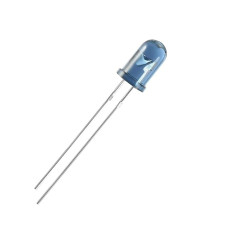
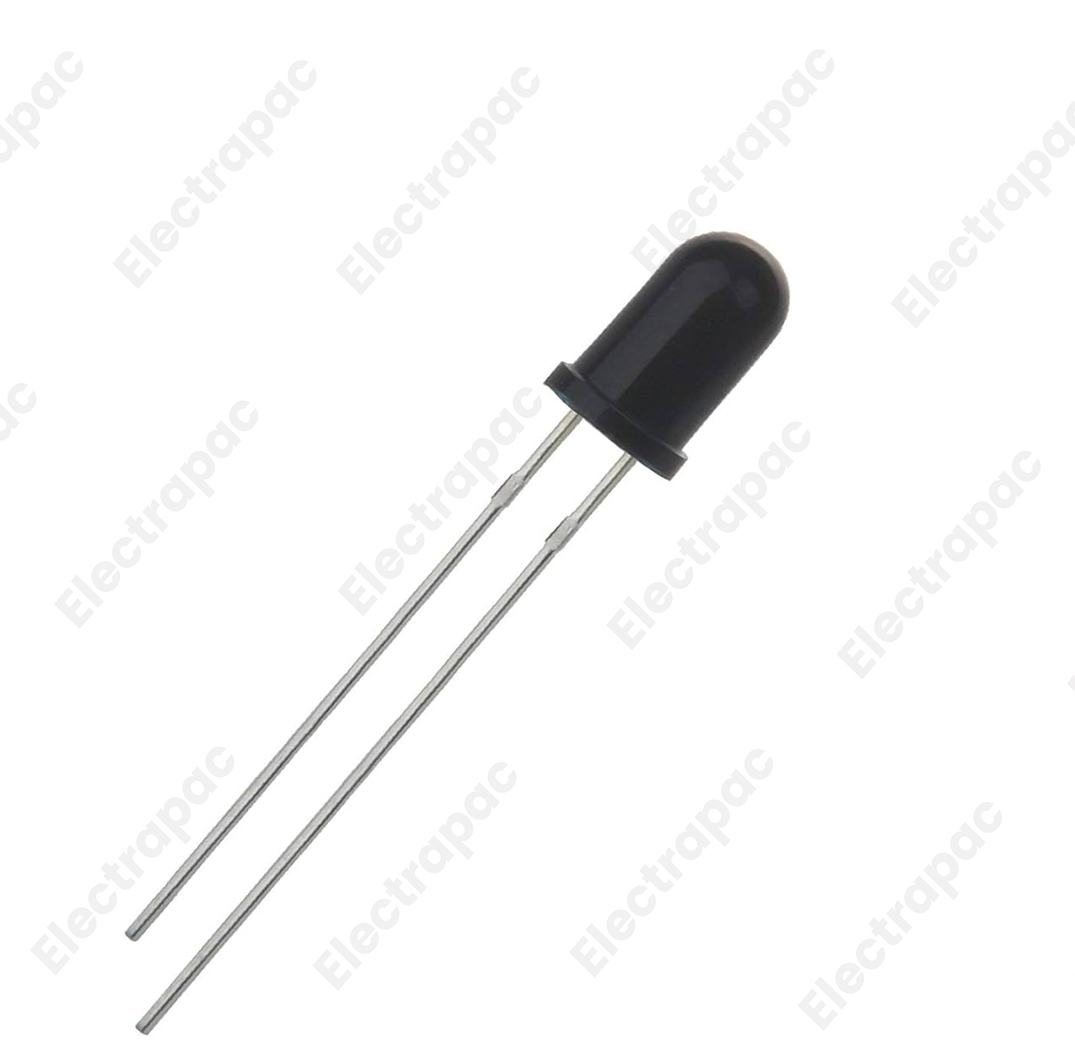
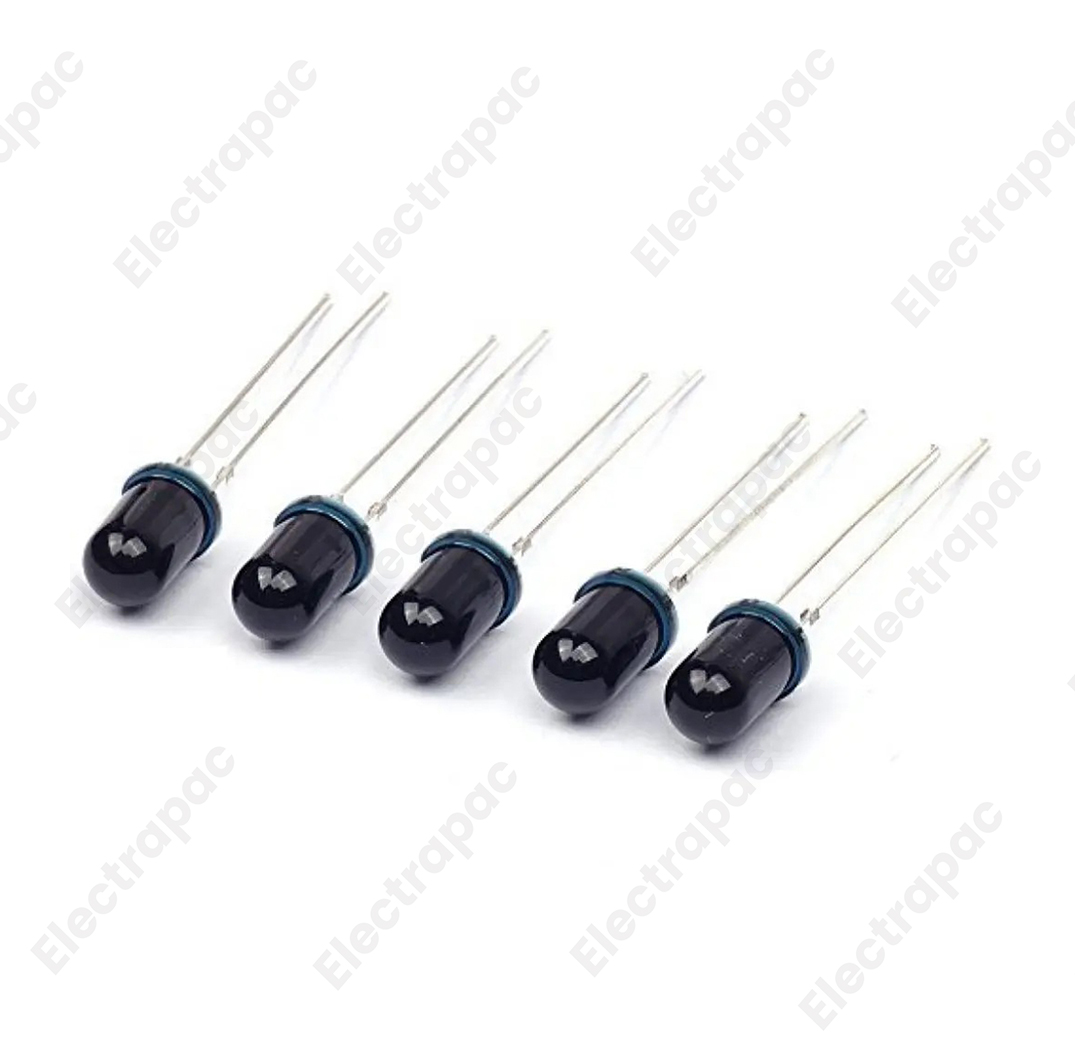
The IR Infrared LED Receiver is a specialized sensor designed to detect and receive infrared light signals, typically at the 940nm wavelength. Whether you are building a custom remote control system or an object-detection sensor for a robot, this high-sensitivity component ensures reliable data transmission and quick response times. Read more
The IR Infrared LED Receiver is a specialized sensor designed to detect and decode infrared light signals, typically from remote controls.
Unlike a standard phototransistor, this IR Receiver is an integrated module that includes a PIN diode, a preamplifier, and a band-pass filter. It is specifically tuned to the 38kHz carrier frequency, which is the industry standard for most TV and appliance remotes. This allows the sensor to "ignore" ambient light from the sun or lightbulbs and only react to commands from your remote.
High Noise Immunity: The internal band-pass filter effectively blocks interference from fluorescent lights and infrared "noise" in the room.
Plug-and-Play Integration: The output pin can be connected directly to a microcontroller digital input. When an IR signal is detected, the output pulls LOW.
Durable Shielding: The epoxy-molded package acts as an optical filter, only allowing infrared wavelengths to pass through to the internal sensor.
Wide Voltage Range: Works perfectly with both 3.3V (Raspberry Pi/ESP32) and 5V (Arduino) systems.
Compact Form Factor: Its small size allows it to be hidden behind dark plastic panels in your custom Electrapac enclosures.
While specific models can vary slightly, most IR receivers from the Electrapac inventory follow this common 3-pin layout (facing the sensor bulb):
OUT: Signal Output (to Microcontroller Digital Pin).
GND: Ground connection.
VCC: Power input (+3.3V or +5V).
Electrapac Tech Tip: For the best performance and to prevent "jitter" in your signal, we recommend placing a 100Ω resistor in series with the VCC pin and a 4.7µF capacitor between VCC and GND. This filters out power supply noise that could cause false triggers.
Smart Home Control: Controlling lights, fans, or AC units using your existing TV remote.
Robotics: Navigating a robot using a standard IR remote or an IR transmitter module.
Media Centers: Building a "Kodi" or "Plex" receiver for your PC or Raspberry Pi.
Counter/Tachometer: Using an IR LED and this receiver as a "break-beam" sensor to count moving objects.
Wireless Data Transfer: Sending simple status codes between two microcontrollers across a room.
We test our IR Receivers for maximum range and wide-angle sensitivity to ensure you don't have to be "perfectly aimed" for your remote to work. Visit us at for the reliable wireless components that put you in total command.
| Specifications | Descriptions |
|---|---|
| Type | Infrared LED Receiver |
| Operating Voltage | Typically 2.7V – 5.5V |
| Peak Wavelength | 940nm |
| Reception Distance | Up to 8 meters (depending on transmitter) |
| Carrier Frequency | Usually 38kHz (compatible with common remotes) |
| Output Type | Digital (active low) |
| Size | Compact and PCB mountable |
| Package | 1 x IR Infrared LED Receiver |

Subscribe to our newsletter and get early access to new arrivals, tech trends, and exclusive unboxing reviews from Electrapac.?